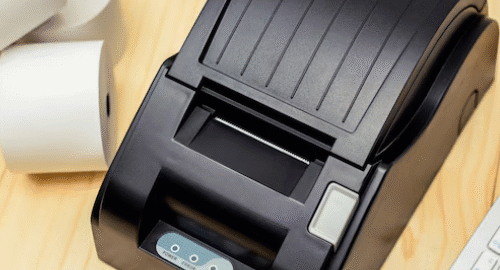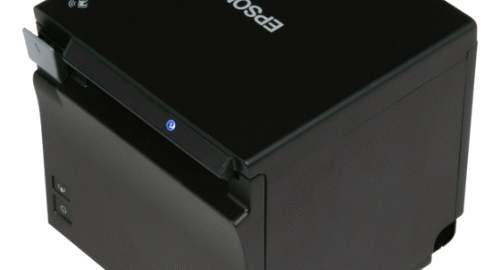
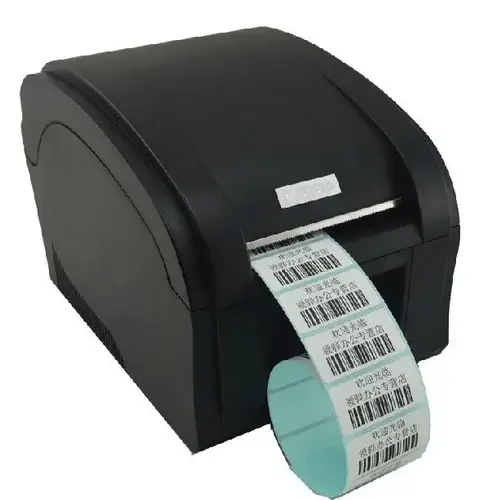
Barcode technology has supported businesses for decades, helping companies track stock, manage assets, and streamline day-to-day operations. Today, barcode printing technology is evolving rapidly, becoming more accurate, flexible, and cost-efficient for modern businesses.
As demand grows across retail, supermarkets, logistics, healthcare, and manufacturing, it is important for decision-makers to understand the new trends shaping the future of barcode printing.
Here are some of the emerging trends and advancements in barcode printing technology that are likely to shape the future of this technology:
The Shift Toward 2D Barcodes
2D barcodes (such as QR codes and Data Matrix codes) are gaining ground and are expected to replace many traditional 1D barcodes in the coming years. They can store much more data in a smaller space, including product details, batch numbers, expiry dates, pricing, and traceability information.
Because 2D barcodes scan faster and remain readable even when partially damaged or smudged, they are ideal for high-volume environments like retail checkout counters, pharmacies, warehouses, and hospitals.
Growth of Mobile Barcode Printing
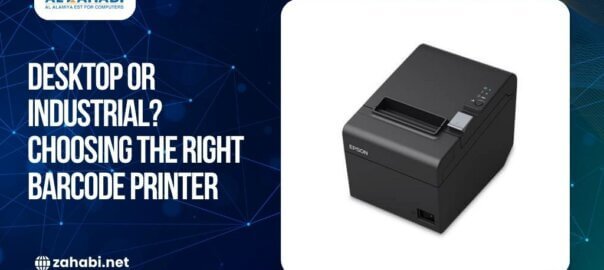
As more workflows move to smartphones and tablets, mobile barcode printing is quickly becoming a standard option. With mobile printing apps and compact portable printers, teams can generate labels directly at shelves, storage racks, or delivery points instead of walking back to a central print station.
This greatly benefits warehouses, delivery fleets, and field service teams by reducing delays, lowering hardware dependency, and giving staff more flexibility in busy environments.
Expansion of Cloud-Based Barcode Printing
Cloud-based barcode printing lets businesses create and manage labels from any location with an internet connection. Instead of maintaining local print servers or complicated desktop software, teams access printing tools centrally through the cloud.
For companies operating multiple branches or warehouses, this approach simplifies IT management, keeps label formats consistent, and supports remote or hybrid teams that need shared access to the same printing system.
Rising Adoption of Direct Thermal Barcode Printing
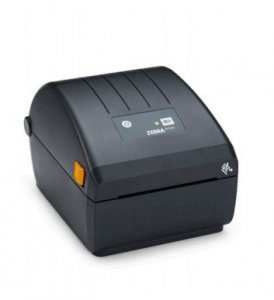
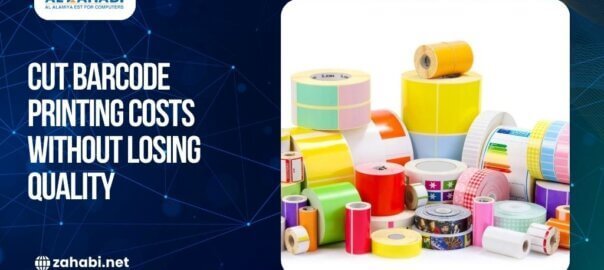
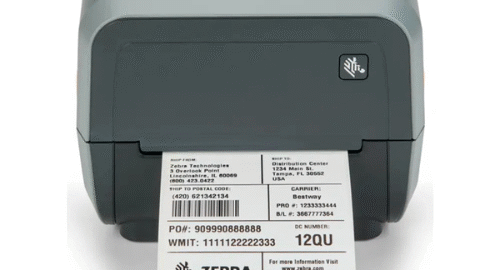
Direct thermal barcode printing is becoming more popular due to its simplicity, speed, and reliability. This technology uses heat-sensitive labels to produce clear barcodes without the need for ink or toner, which keeps maintenance costs low.
Because direct thermal labels perform well in logistics, food labeling, healthcare, and shipping, they are an excellent fit for supermarkets, food distributors, pharmacies, and courier companies that require readable labels over the full product or parcel journey
Integration of Artificial Intelligence in Barcode Workflows
Artificial intelligence (AI) is beginning to influence the workflow of both barcode printing and barcode scanners. AI tools can optimize label layouts, reduce printing errors, and support quality control by checking print clarity and data accuracy before labels are used.
Beyond printing, AI can analyze barcode data to detect stock trends, monitor warehouse performance, and support smarter purchasing and replenishment decisions, important benefits for businesses looking to control costs and improve inventory accuracy.
Why These Trends Matter for Businesses
For companies, staying updated with the latest barcode printing technology is not just a technical choice, it’s a business advantage. By adopting 2D barcodes, mobile and cloud-based printing, direct thermal systems, and AI-enhanced workflows, businesses can:
- Improve inventory accuracy and stock visibility
- Reduce errors and reprinting costs
- Speed up checkout, receiving, and dispatch operations
- Meet growing compliance and traceability requirements
As organizations across the globe continue to rely on barcodes for tracking, compliance, and workflow automation, keeping pace with these advancements is essential for long-term efficiency and competitiveness.