Buying POS hardware feels straightforward until the system starts slowing down billing, confusing staff, or breaking down during peak hours. We see this often when businesses rush into purchasing POS hardware in Kuwait without mapping how the equipment will actually perform on the shop floor.
From small cafés to multi-location retail chains and service counters, POS hardware quietly shapes speed, accuracy, customer experience, and operational control. The wrong choice rarely fails immediately. It creates friction over time, longer queues, higher maintenance costs, and limited scalability.
How Decisions Regarding POS Hardware Shape Customer Experience?
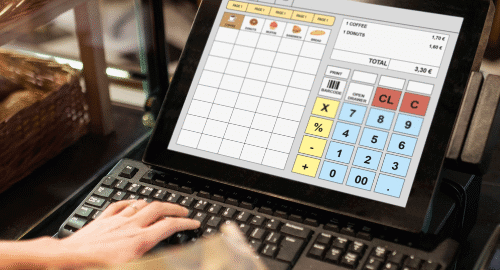
POS hardware influences more than billing speed. It affects how smoothly staff handle peak hours, how quickly customers move through the counter, and how confident teams feel using the system daily. A slow terminal or unstable printer quietly erodes service quality, even when the software is strong. When businesses invest in POS hardware thoughtfully, daily operations feel calmer, more predictable, and easier to scale.
Top Mistakes to Avoid While Buying POS Hardware
Mistake 1: Buying Based on Price Alone
Upfront cost often dominates the decision. While budget matters, hardware that looks affordable today may cost more through repairs, slow performance, and early replacement.
Why Low-Cost Hardware Creates Hidden Costs?
| Issue | Long-Term Impact |
| Slower processors | Billing delays during rush hours |
| Weak build quality | Frequent breakdowns |
| Limited warranty | Higher service expenses |
| Poor compatibility | Software upgrade limitations |
| Short product lifespan | Early replacement |
Cheap hardware rarely survives high transaction volumes, long operating hours, or busy service counters.
What to Consider Instead?
- Expected daily transaction volume
- Number of connected peripherals
- Warranty and service coverage
- Upgrade path over the next three to five years
- Local spare parts availability
Mistake 2: Ignoring Real Usage Conditions
Many buyers assume all POS environments are the same. In reality, operating conditions vary widely across retail, hospitality, healthcare, and warehouse counters.
Environmental Factors That Affect POS Performance
- Heat exposure near cooking or production zones
- Dust in storage or logistics areas
- High foot traffic and accidental handling
- Power fluctuations
- Limited counter space
Hardware must match these realities, not just showroom appearance.
Matching Hardware to Environment
| Environment | Recommended POS Characteristics |
| Café / QSR | Compact, spill-resistant terminals |
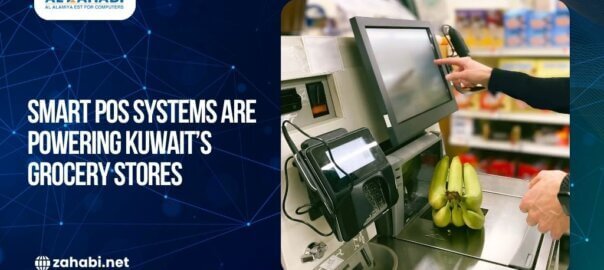
| Supermarket | Fast processors, barcode integration |
| Warehouse Counter | Rugged build, extended connectivity |
| Healthcare | Easy cleaning surfaces, stable uptime |
| Service Desk | Quiet operation, ergonomic design |
Mistake 3: Overlooking Peripheral Compatibility
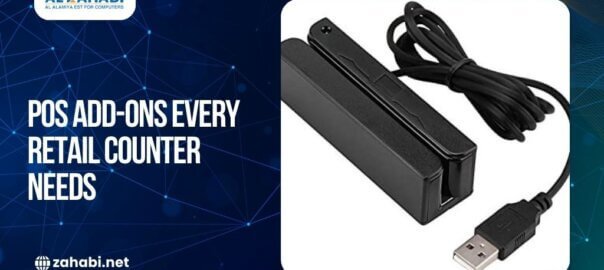
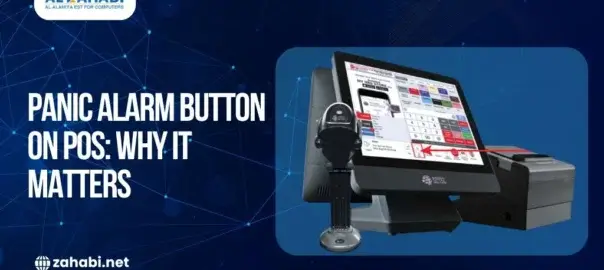
A POS terminal rarely works alone. Printers, scanners, cash drawers, customer displays, and payment devices must integrate smoothly.
Where Peripheral Problems Usually Show Up?
- Ports not matching required devices
- Slow response between devices
- Driver incompatibility after software updates
- Cable clutter is causing an operational mess
- Limited expansion capacity
What to Check Before Connecting Your Devices?
- Barcode scanner compatibility
- Receipt printer speed and paper type
- Cash drawer trigger compatibility
- Payment terminal integration
- Future peripheral expansion
Ignoring this often leads to costly replacements within months.
Mistake 4: Underestimating Future Growth
Many businesses buy hardware only for today’s needs. Growth brings new counters, more transactions, new branches, and heavier data processing.
Signs Your POS Hardware May Outgrow Quickly
- Processor struggles during peak hours
- Limited RAM starts affecting application speed
- Insufficient ports for expansion
- Inability to support cloud software updates
- No remote management capability
Consider these Areas Before Scaling
| Growth Area | Hardware Requirement |
| Additional counters | Multi-terminal compatibility |
| New branches | Centralized management support |
| Higher transaction load | Faster processors |
| Advanced analytics | Stable memory capacity |
| Digital payments growth | Secure connectivity |
Mistake 5: Skipping Local Support and Service
Hardware reliability matters most when something goes wrong. Delays in service impact billing, reporting, and customer flow.
Why Local Support Matters for POS Hardware in Kuwait?
- Faster onsite troubleshooting
- Availability of spare parts
- Local compliance familiarity
- Arabic and English technical coordination
- Reduced downtime
Risks of Remote-Only Support
- Long response timelines
- Shipping delays for replacements
- Limited local accountability
- Higher operational risk
Mistake 6: Buying Without Workflow Mapping
POS hardware must fit how staff actually work, not how management imagines the workflow.
Questions to Ask Before Buying
- How many steps does billing require?
- Where do staff move during transactions?
- Are counters crowded during peak times?
- How often are receipts printed?
- Is customer visibility important?
Small design mismatches slow teams and increase error rates.
Mistake 7: Treating POS as a One-Time Purchase
POS hardware requires updates, maintenance, upgrades, and occasional expansion.
Things to Consider for Long-Term Ownership
- Software compatibility updates
- Spare part lifecycle availability
- Warranty extension options
- Device replacement cycles
- Data security requirements
Planning upfront avoids rushed upgrades later.
Why Long-Term Ownership is Important?
POS hardware is not a one-time setup decision. Over time, businesses upgrade software, expand counters, introduce new payment methods, and tighten security requirements. Hardware that supports these shifts avoids forced replacements and operational disruption. Looking at ownership from a multi-year perspective keeps costs predictable and operations stable.
How We Guide Businesses Toward Smarter POS Decisions?
At Zahabi, we look beyond product specifications. We study how your counters operate, what volumes you handle, how your team works, and where growth is headed. This allows us to recommend POS hardware in Kuwait that stays stable under daily pressure and continues delivering value as operations scale.
The goal is not simply to install hardware, but to support smoother transactions, faster service, and dependable uptime across your business.
FAQs
- What should I prioritize when buying POS hardware in Kuwait?
Reliability, local support, compatibility, and scalability should guide the decision. - Is cheaper POS hardware risky for growing businesses?
Yes. Low-cost hardware often struggles with higher volumes and long-term stability. - How important is peripheral compatibility?
Very important. Poor integration causes delays and frequent replacements. - Should POS hardware support future upgrades?
Yes. Growth demands higher performance and new integrations. - Does local service really matter?
Local service reduces downtime and improves operational continuity. - Can Zahabi help evaluate POS hardware needs?
Yes. We assess workflows and growth plans before recommending solutions.